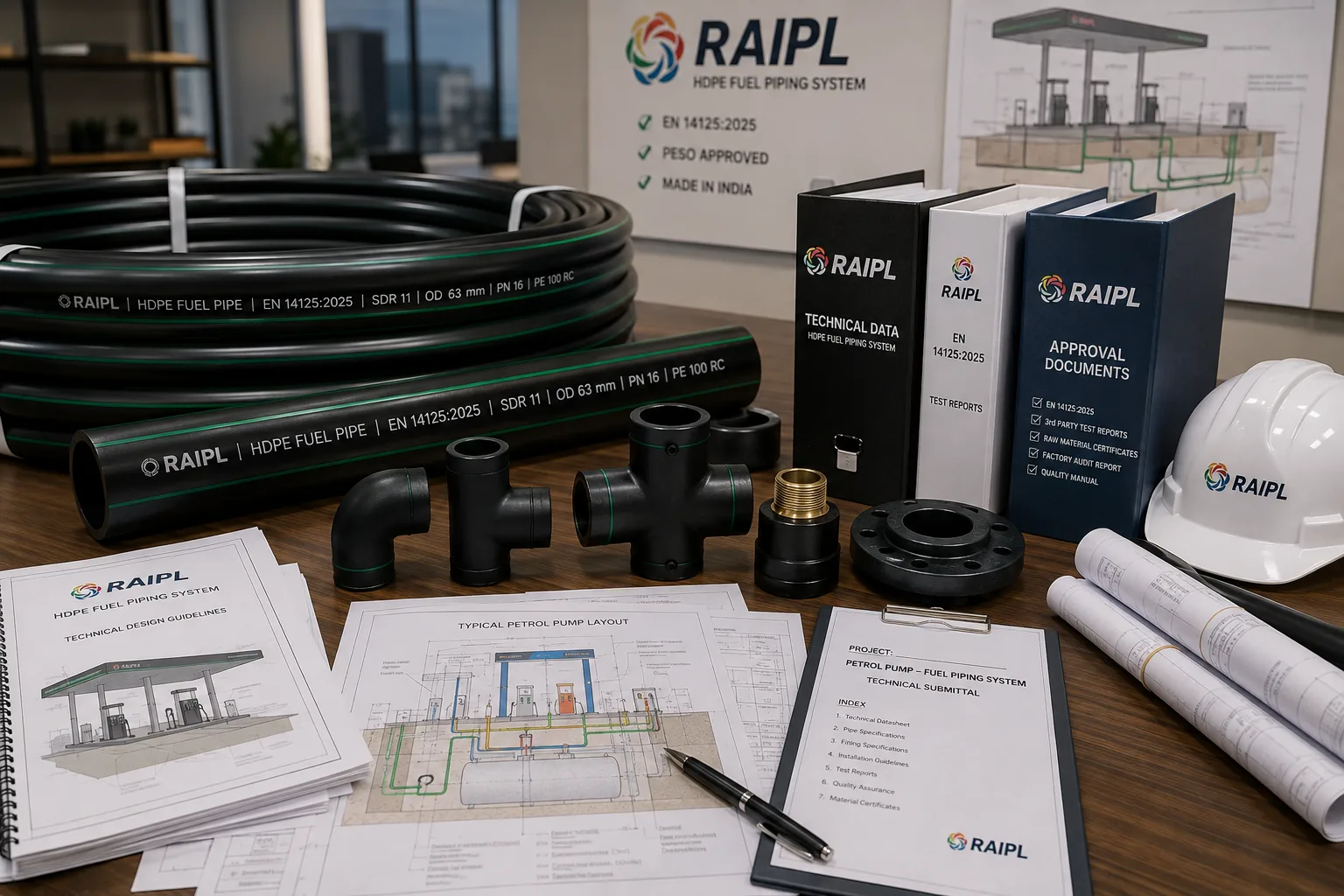
What Is PESO?
In India, petroleum infrastructure operates within a regulated environment.
One of the key organizations connected with petroleum safety and regulatory oversight is PESO — the Petroleum and Explosives Safety Organisation.
PESO functions under the Government of India and plays an important role in the administration and enforcement of rules relating to petroleum, explosives, compressed gases and other hazardous materials.
For petrol pump infrastructure, PESO is therefore an important part of the broader regulatory ecosystem.
However, one common misunderstanding needs to be clarified:
PESO approval, technical certification and petroleum-company vendor approval are not automatically the same thing.
Each can serve a different purpose.
Why Does Petroleum Infrastructure Need Regulatory Oversight?
Fuel is a hazardous material.
Petrol pumps involve:
- Underground fuel storage
- Fuel transfer
- Dispensing equipment
- Vapour-related risks
- Electrical systems
- Civil infrastructure
- Safety distances
- Fire and operational safety
Because of these risks, petroleum infrastructure is subject to technical and regulatory requirements.
The objective is not simply to create paperwork.
The objective is to help ensure that fuel storage and handling systems are designed, installed and operated according to the applicable safety framework.
Where Does Underground Fuel Piping Fit In?
The underground fuel piping system connects parts of the fuel-storage and dispensing infrastructure.
A simplified route is:
Underground Storage Tank → Fuel Pipe → Fittings → Transition → Dispenser
Even though the pipe is hidden below the forecourt, it forms part of the petroleum-handling system.
This makes product selection, installation, testing and applicable approvals important.
Technical Certification and Regulatory Approval Are Different
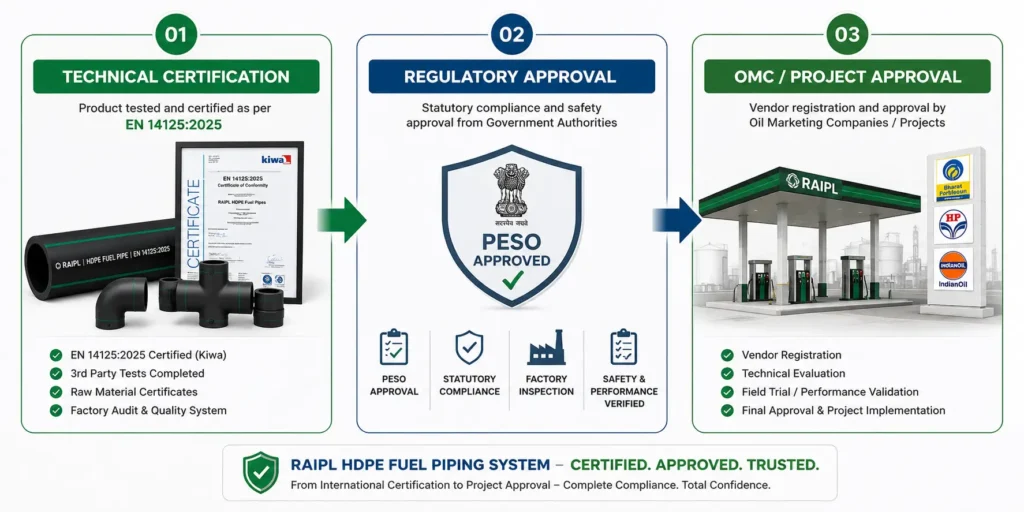
This is one of the most important concepts for buyers to understand.
Technical Certification
Technical certification evaluates whether a product or system meets the requirements covered by a particular standard and certification scope.
For example, EN 14125 is an important European standard relating to thermoplastic and flexible metal pipework for underground petrol filling station installations.
Regulatory Approval
A regulatory body may evaluate products, systems, facilities or applications according to the rules and processes applicable within its jurisdiction.
In India, PESO is part of this regulatory framework for petroleum-related infrastructure.
Project or Vendor Approval
A petroleum company, consultant or project owner may also maintain its own vendor-registration, product-approval or technical-evaluation process.
These are separate layers.
Think of It as Three Different Questions
A buyer can think about the process using three questions.
Question 1: Is the product technically evaluated?
This is where technical standards and certification matter.
Question 2: Does it meet the applicable Indian regulatory requirements?
This is where the relevant regulatory process matters.
Question 3: Has the project owner or petroleum company accepted the product?
This can involve vendor registration, technical approval, trial installation or project-specific evaluation.
One document may support another process, but they should not be automatically treated as interchangeable.
What Is EN 14125?
For specialized underground thermoplastic fuel piping, EN 14125 provides technical requirements relevant to petrol filling station applications.
This can help buyers evaluate whether the system has been developed for a specialized fuel application rather than being a general-purpose HDPE pipe.
However:
EN 14125 certification does not automatically mean that every project in India can use the product without any additional approval process.
Indian regulations and project-specific requirements still need to be followed.
Why Does PESO Matter to a Fuel Piping Manufacturer?
For a manufacturer entering petroleum infrastructure, regulatory evaluation can provide an additional level of scrutiny.
Depending on the applicable process, authorities may review areas such as:
- Product documentation
- Manufacturing capability
- Technical compliance
- Test documentation
- Quality systems
- Factory capability
- Application suitability
The exact requirements depend on the specific approval or regulatory process involved.
Manufacturers should therefore work with the applicable authorities using genuine technical documentation rather than marketing claims.
Why Buyers Should Ask for the Actual Approval Document
A supplier may say:
“PESO Approved”
but buyers should still request the actual supporting document.
Check:
- Manufacturer name
- Product covered
- Scope
- Date
- Reference details
- Conditions or limitations where applicable
Never rely only on a logo placed on a brochure or website.
The supporting document matters.
Approval Scope Is Important
A regulatory or technical approval can have a specific scope.
For example, the document may relate to:
- A particular product
- A defined application
- A specific size range
- A particular manufacturing location
- Certain conditions of use
Buyers should therefore ask:
“Exactly what does this approval cover?”
That is more useful than asking only:
“Do you have PESO?”
PESO Approval Does Not Automatically Mean OMC Enlistment
India’s petroleum retail market includes major Oil Marketing Companies.
These organizations can maintain their own:
- Product-evaluation procedures
- Vendor-registration systems
- Technical specifications
- Trial requirements
- Inspection processes
- Commercial qualification procedures
Therefore:
PESO-related approval or regulatory acceptance does not automatically mean that a product is enlisted with every OMC.
The manufacturer may still need to complete the relevant petroleum company’s own process.
This distinction is important for both suppliers and buyers.
OMC Approval Does Not Replace Product Certification Either
The reverse is also true.
A commercial or vendor approval from a project owner does not automatically replace the need for technical product evidence.
A robust evaluation can include:
Technical Standard + Certification + Regulatory Requirements + Project Approval
Each answers a different question.
Why Multiple Layers of Evaluation Can Be Valuable
At first, multiple approval processes can seem repetitive.
But each party may be evaluating a different risk.
For example:
Certification Body
Focuses on conformity with the specified technical standard and scope.
Regulator
Focuses on applicable legal and safety requirements.
Petroleum Company
Focuses on its own engineering standards, operational requirements and vendor system.
Project Consultant
Focuses on the specific project design and specification.
Together, these create a broader evaluation framework.
What Should Buyers Check Before Selecting a Fuel Piping System?
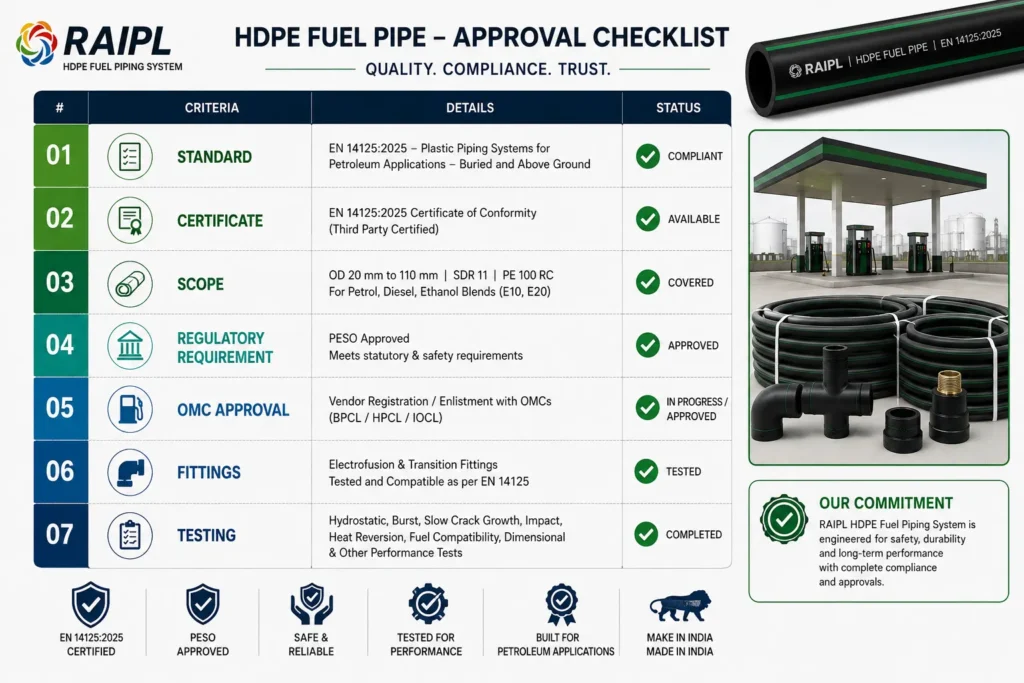
For an Indian petrol pump project, buyers should consider checking:
1. Intended Application
Is the piping system specifically intended for petroleum fuel service?
2. Applicable Standard
Which technical standard has been used?
3. Standard Edition
Which edition applies?
4. Certification
Is genuine supporting certification available?
5. Certification Scope
What product and system components are covered?
6. Indian Regulatory Requirements
What PESO or other regulatory requirements apply to the specific application?
7. OMC or Project Approval
Does the project owner require separate technical enlistment or vendor approval?
8. Complete Fitting System
Are compatible couplers, elbows, tees and transition components available?
9. Installation Requirements
Are proper procedures and trained installers available?
10. Testing and Documentation
What commissioning records and technical documents are required?
Why a Certificate Logo Is Not Enough
Petroleum infrastructure is too important to be evaluated from a brochure alone.
Buyers should avoid decisions based only on:
- Certification logos
- “Approved” badges
- Marketing headlines
- Product photographs
- Verbal claims
Instead, request:
Certificate → Approval Letter → Technical Data → Test Documentation → Scope
This creates a much clearer technical picture.
What If Different Documents Mention Different Standards?
This should be reviewed carefully.
For example, a manufacturer may provide:
- One technical certificate
- Several test reports
- A regulatory approval
- Project-specific documents
Check whether they all relate to the same product and construction.
Do not assume that a report for one pipe automatically covers another pipe merely because both are made from HDPE.
Why Product Marking Matters
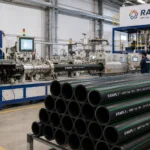
The physical pipe supplied to site should correspond with the product described in the technical documentation.
Marking and traceability can help identify:
- Manufacturer
- Product type
- Size
- Standard reference where applicable
- Batch
- Manufacturing information
This helps connect the installed product with its supporting documentation.
Why Factory Capability Matters
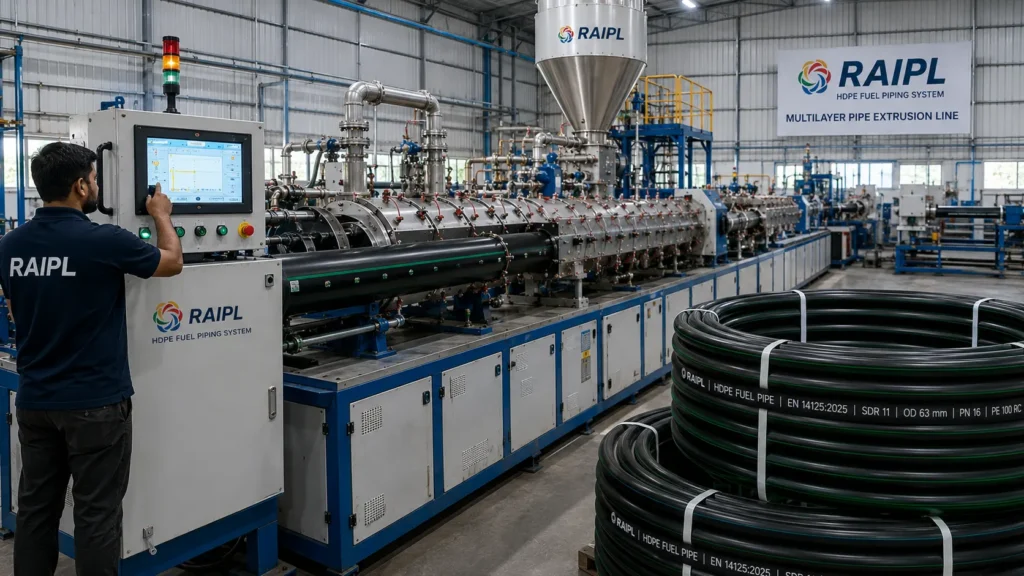
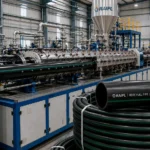
Specialized fuel piping is a manufactured system.
Therefore, product confidence should also consider whether the manufacturer has appropriate capability in:
- Raw material handling
- Multilayer extrusion
- Process control
- Quality control
- Product marking
- Batch traceability
- Fittings
- Technical documentation
A certificate should support a genuine manufacturing system, not replace one.
Why Third-Party Testing Matters
Independent testing can provide additional technical evidence regarding specified product characteristics.
Depending on the requirement, buyers may review test reports relating to areas such as:
- Fuel compatibility
- Mechanical performance
- Pipe construction
- Fittings
- Joint performance
- Other standard-specific tests
Again, the report should correspond with the product actually being supplied.
India Needs Both Faster Approvals and Strong Technical Scrutiny
Domestic manufacturers entering specialized petroleum infrastructure often need to complete multiple technical and administrative processes.
For India’s manufacturing ecosystem to grow, these processes should ideally be:
- Technically rigorous
- Transparent
- Consistent
- Time-bound
- Based on defined criteria
Faster approval should not mean weaker approval.
The better objective is:
Strong technical scrutiny without unnecessary delay.
That benefits both Indian manufacturers and petroleum companies.
Why This Matters for Make in India
If India wants to reduce dependence on imported petroleum infrastructure, domestic manufacturers need a realistic path into the market.
That path should be based on:
Manufacturing Capability
Technical Certification
Regulatory Compliance
Independent Testing
Project Evaluation
When a local product satisfies the required technical criteria, it should be evaluated on merit.
This is how Make in India becomes a technical capability rather than only a slogan.
RAIPL’s Approach to Fuel Piping Approval
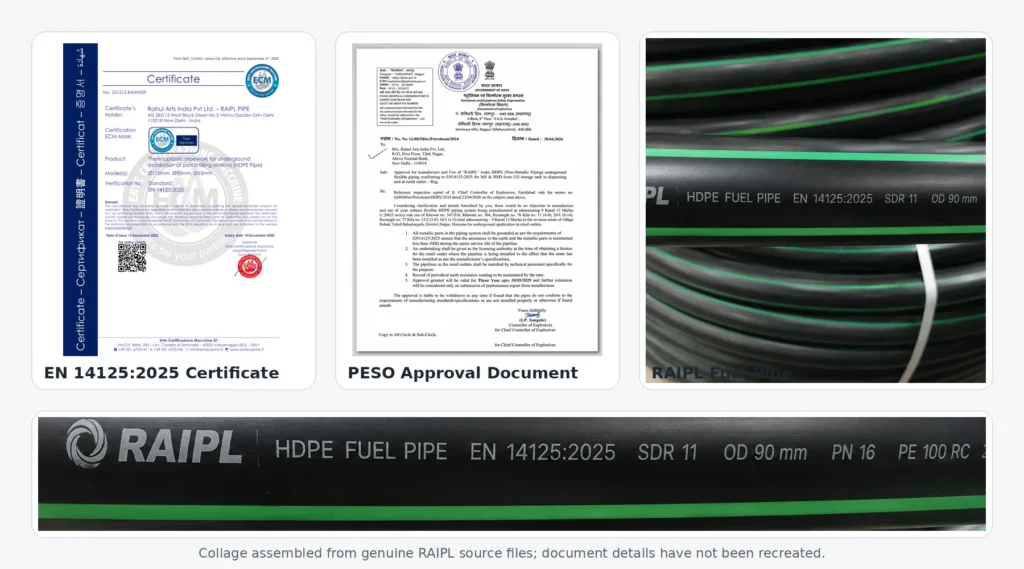
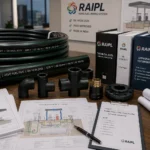
RAIPL (Rahul Arts India Pvt. Ltd.) has developed a specialized multilayer HDPE fuel piping system for underground petroleum applications.
The RAIPL system includes:
- Multilayer HDPE fuel pipe
- EVOH barrier technology
- Compatible electrofusion fittings
- Transition components
- Technical documentation
- Quality control
- Product traceability
- Installation guidance
RAIPL’s multilayer HDPE fuel piping system has achieved EN 14125:2025 certification and has also been progressing through the applicable Indian petroleum-infrastructure approval and enlistment processes.
The objective is to combine local manufacturing with the technical and regulatory requirements expected for petroleum infrastructure.
Approval Should Be Evidence-Based
A fuel piping system should not be approved because it is:
Indian
or
Imported
or
Well-known
or
New.
It should be evaluated using technical evidence.
That means reviewing:
Product → Standard → Certification → Testing → Manufacturing → Regulatory Requirements → Project Requirements
This creates a fairer and more technically robust evaluation process.
Frequently Asked Questions
What is PESO?
PESO is the Petroleum and Explosives Safety Organisation, a Government of India organization involved in regulatory and safety oversight relating to petroleum, explosives, compressed gases and other hazardous materials.
Is PESO approval the same as EN 14125 certification?
No. They relate to different technical and regulatory processes.
Does EN 14125 certification automatically allow installation at every petrol pump in India?
No. Indian regulatory, project-specific and petroleum-company requirements may also apply.
Does PESO approval mean a product is automatically enlisted with every OMC?
No. Oil Marketing Companies can have their own technical evaluation and vendor-registration processes.
Should buyers ask to see the approval letter?
Yes. Buyers should review the actual supporting document and understand its scope.
Why does scope matter?
Because an approval or certificate can relate only to specific products, sizes, applications or conditions.
Standards, Regulation and Project Approval Should Work Together
Underground fuel piping operates in a safety-critical environment.
That is why no single logo or certificate should be treated as the complete answer.
A strong evaluation considers:
Technical Certification
Regulatory Compliance
Product Testing
Manufacturing Capability
Project-Specific Requirements
When these elements work together, buyers can make better technical decisions and manufacturers have a clear framework for entering the market.
For RAIPL, the goal is to build a Made-in-India fuel piping system that meets the technical, regulatory and project expectations of modern petroleum infrastructure.