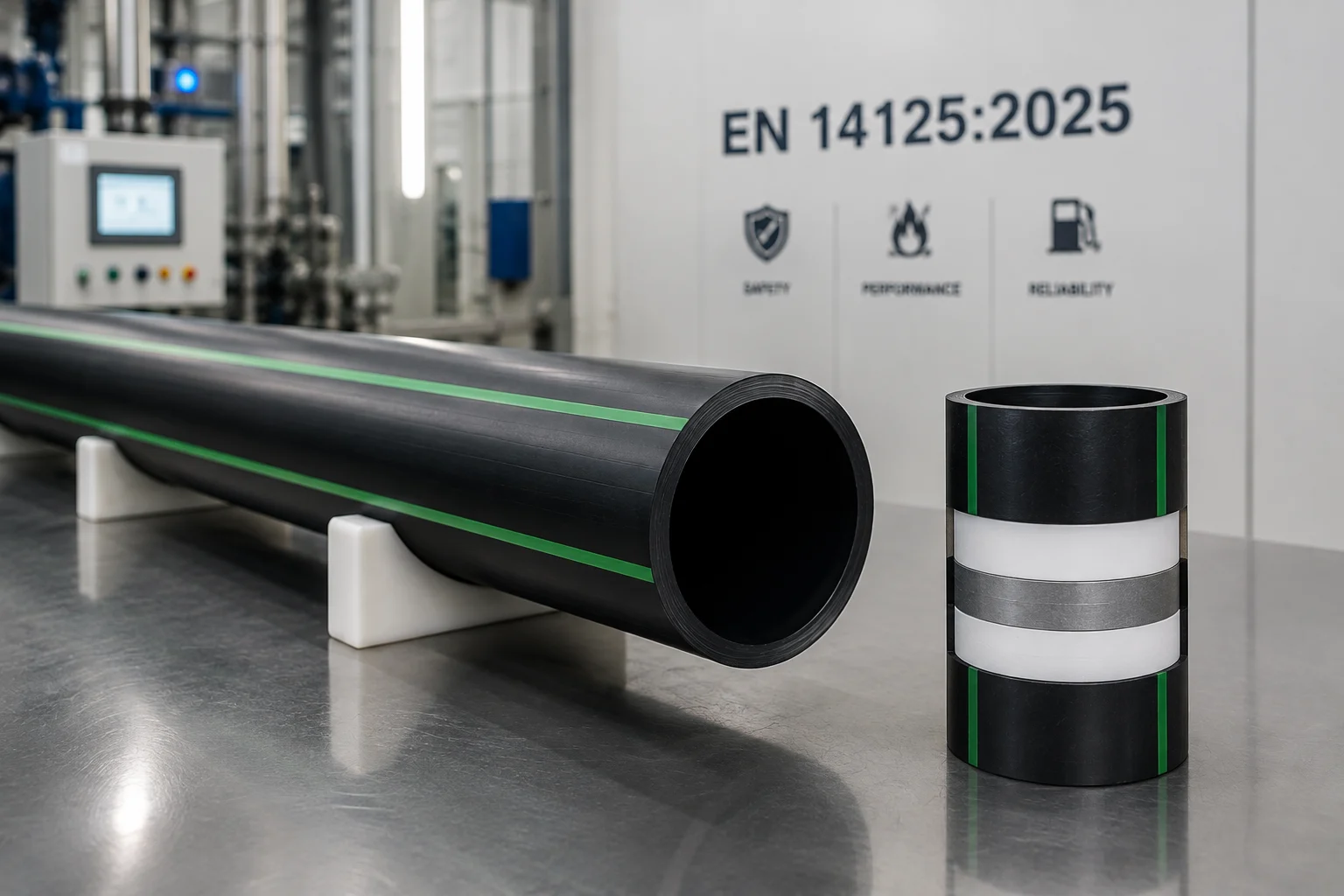
What Is EN 14125?
When selecting an underground fuel piping system for a petrol pump, the material of the pipe is only one part of the decision.
An equally important question is:
What standard has the piping system been designed and tested against?
For thermoplastic and flexible metal pipework used in underground petrol filling station installations, EN 14125 is an important European standard.
The standard establishes technical requirements and test methods intended to evaluate piping systems for the demanding environment in which fuel pipes operate.
The latest edition, EN 14125:2025, continues this framework for evaluating underground fuel piping systems.
For petrol pump owners, consultants, EPC contractors and petroleum companies, understanding EN 14125 helps distinguish a specialized fuel piping system from a general-purpose pipe.
Why Do Fuel Pipes Need a Specialized Standard?
An underground fuel pipe performs a very different job from an ordinary water pipe.
It may be exposed to:
- Petroleum fuels
- Hydrocarbons
- Underground soil conditions
- Mechanical loads
- Temperature variations
- Installation stresses
- Joints and directional changes
- Long-term operating conditions
Because of this, simply manufacturing a pipe from HDPE does not automatically make it suitable for fuel.
A specialized standard provides a structured framework for evaluating whether the pipe and associated system components meet requirements relevant to the intended petroleum application.
What Does EN 14125 Cover?
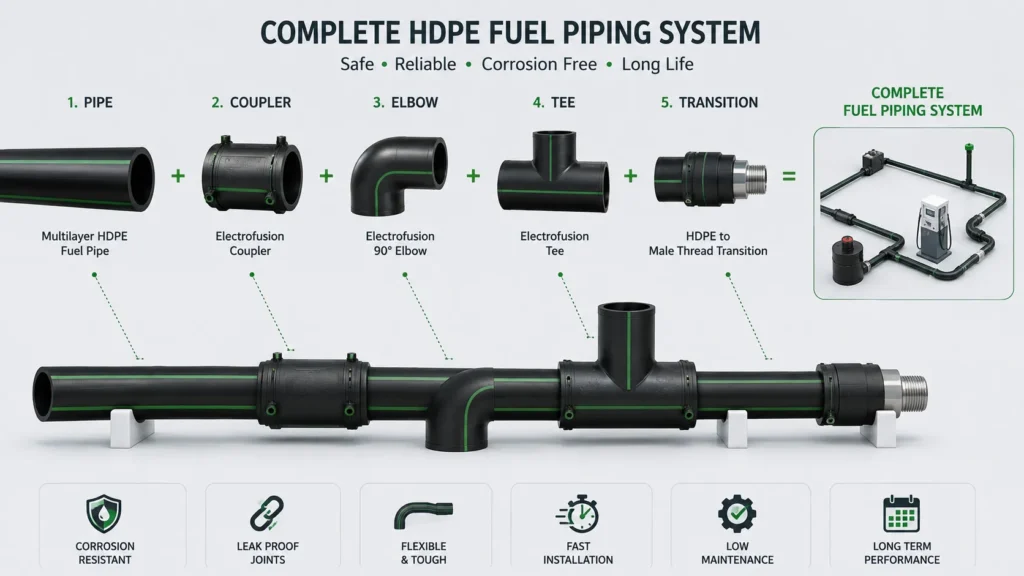
EN 14125 relates to piping systems used for underground installations at petrol filling stations.
Importantly, the standard is not only about a straight length of pipe.
A fuel piping network is a system.
That system can include:
Pipe → Couplers → Elbows → Tees → Connections → Transition Components
The performance of these components and their connections is important because a fuel network is only as reliable as the complete installed system.
This system-based approach is one reason technical standards are so important in petroleum infrastructure.
EN 14125 Is More Than a Pipe Dimension Standard
When people first see a pipe specification, they often focus on:
- Diameter
- Wall thickness
- SDR
- Pressure rating
- Material
These specifications are important, but specialized fuel piping requires evaluation beyond basic dimensions.
A standard such as EN 14125 addresses performance requirements and testing relevant to the intended application.
The objective is not simply:
“Can this pipe carry liquid?”
The more relevant question is:
“Has this piping system been evaluated for its intended underground fuel application?”
That distinction is extremely important.
Why Is Fuel Compatibility Important?
Fuel is chemically different from water.
Petrol, diesel and other fuels contain hydrocarbons that interact differently with polymer materials.
The materials used in a fuel piping system therefore need to be appropriate for the fuels and operating conditions for which the system is intended.
This applies not only to the primary pipe material but also to:
- Barrier materials
- Bonding layers
- Fittings
- Sealing components
- Connection systems
Fuel compatibility therefore needs to be considered at a system level.
Why Does Permeation Matter?
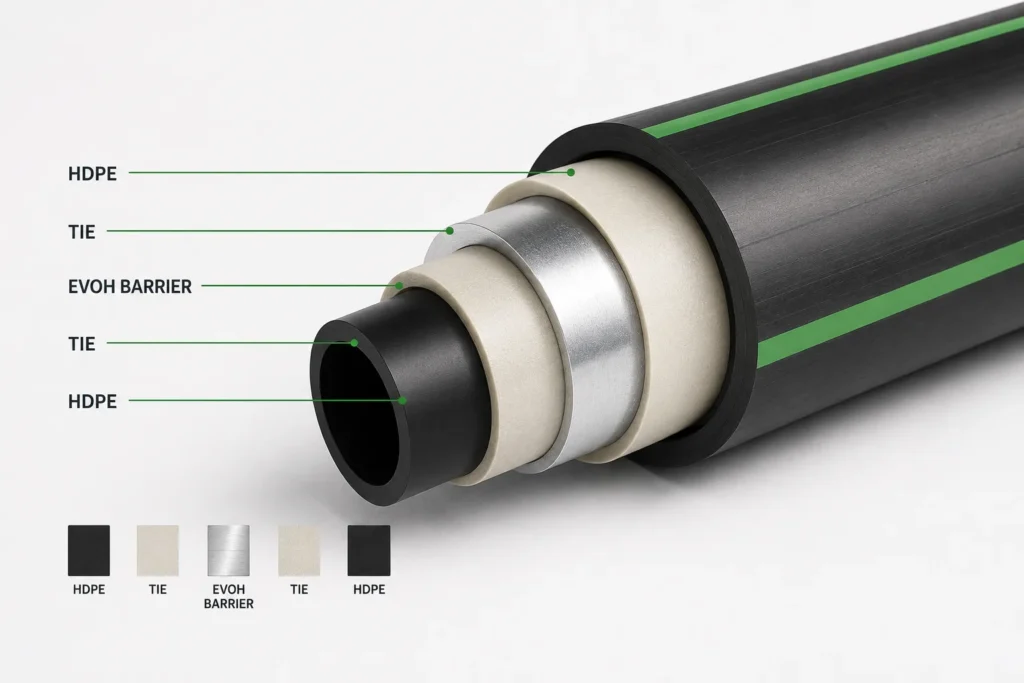
One important consideration for thermoplastic fuel piping is hydrocarbon permeation.
Polymers can allow very small quantities of certain molecules to migrate through the material over time.
This is why specialized multilayer fuel pipes may incorporate a dedicated barrier layer.
A typical multilayer concept can include:
HDPE → Tie Layer → Barrier Layer → Tie Layer → HDPE
A material such as EVOH (Ethylene Vinyl Alcohol) can be used as part of the barrier structure to provide additional resistance against hydrocarbon permeation.
This is one of the reasons an ordinary HDPE water pipe and a specialized multilayer HDPE fuel pipe should not be treated as equivalent products.
Why Are Fittings Important Under EN 14125?
Imagine installing an extremely high-quality fuel pipe but connecting it using fittings that have not been properly matched to the system.
The performance of the complete network could then depend on its weakest connection.
For this reason, fittings are an important part of an engineered underground fuel piping system.
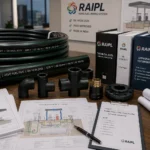
Depending on the system configuration, these can include:
Electrofusion Couplers
Used to connect straight pipe sections.
Electrofusion Elbows
Used for controlled changes in pipeline direction.
Electrofusion Tees
Used where branch connections are required.
Transition Fittings
Used where the thermoplastic piping system interfaces with other connection types or equipment.
A properly engineered system considers both the pipe and its compatible fittings.
Why Is Joint Performance Important?
A petrol pump can contain a significant length of underground piping.
Every connection within that network needs to maintain its integrity throughout the operating life of the installation.
For HDPE fuel piping, electrofusion is one method used to create engineered connections.
During electrofusion, controlled electrical energy heats the fitting and prepared pipe surfaces to create the joint.
But even a properly designed fitting requires correct installation.
Important factors include:
- Correct pipe preparation
- Clean fusion surfaces
- Proper scraping where required
- Correct alignment
- Correct fusion parameters
- Proper cooling time
- Trained installation personnel
Standards and certified systems cannot compensate for poor installation practices.
Product quality and installation quality must work together.
Why Is Mechanical Performance Important?
Underground fuel pipes do not operate in a laboratory.
After installation, the system is surrounded by soil and becomes part of the petrol pump’s underground infrastructure.
The piping system therefore needs suitable mechanical characteristics for its intended application.
This is why evaluation of fuel piping goes beyond chemical compatibility alone.
Mechanical behaviour, connections, material performance and other system characteristics need to be considered together.
Why Does the Year “2025” Matter?
Technical standards are periodically reviewed and updated.
Therefore, seeing only “EN 14125” on a document does not always provide the complete picture.
The edition of the standard is also relevant.
EN 14125:2025 identifies the 2025 edition of the standard.
When reviewing technical documentation, buyers and consultants should therefore check:
Which edition of the standard is referenced?
This is particularly important when comparing products whose certifications or reports may have been issued at different times.
Certification vs Testing — What Is the Difference?
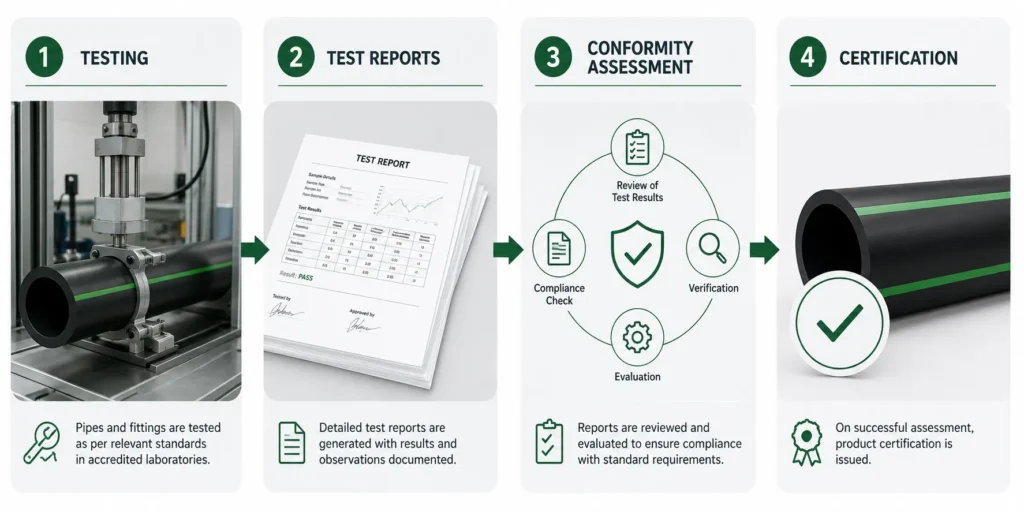
These two terms are often used interchangeably, but they should not automatically be treated as the same thing.
Testing
Testing involves evaluating particular characteristics of a product or system using defined test methods and conditions.
A test report records the results of those evaluations.
Certification
Certification generally involves an independent conformity-assessment process confirming that specified requirements have been evaluated according to the applicable certification scheme.
The exact scope of any certificate should always be checked.
A buyer should therefore avoid relying only on a logo or a statement saying “tested.”
Instead, ask:
- What standard?
- Which edition?
- Which product?
- Which sizes?
- What is the scope?
- Who issued the document?
- What supporting reports are available?
These questions provide a much clearer technical picture.
What Should Buyers Check on an EN 14125 Certificate?
When evaluating a fuel piping supplier, don’t stop at seeing the words “EN 14125.”
Review the documentation carefully.
Important points can include:
1. Manufacturer Name
Confirm that the certificate relates to the manufacturer/product being offered.
2. Standard Edition
Check whether the document references the applicable edition of EN 14125.
3. Product Description
The certified product should correspond with the piping system being proposed.
4. Scope
Understand exactly what the certificate covers.
5. Supporting Documentation
Where applicable, review supporting technical and test documentation.
6. Product Marking
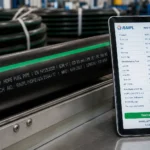
The physical pipe should have appropriate identification and traceability information according to the applicable requirements and manufacturer’s system.
7. Compatible Fittings
Confirm which fittings and system components are intended for use with the pipe.
Does EN 14125 Certification Alone Approve Every Petrol Pump Installation?
No.
This is an important distinction.
A technical standard or certification should not automatically be interpreted as permission to install a product at every petrol pump or in every jurisdiction.
Individual projects can have additional requirements from:
- Petroleum companies
- Engineering consultants
- Project specifications
- Local regulations
- Authorities
- Tender requirements
- Internal vendor-approval systems
EN 14125 certification provides important technical evidence relating to the piping system, but project-specific and regulatory requirements still need to be followed.
Why EN 14125 Matters for India
India has a large and growing petroleum retail infrastructure.
As petrol pumps are built, upgraded and modernized, the quality of underground infrastructure becomes increasingly important.
Much of this infrastructure is never visible to the customer.
The dispenser can be replaced relatively easily.
The canopy can be refurbished.
Signage can be changed.
But underground fuel infrastructure is considerably more difficult to access after the forecourt has been completed.
Selecting properly engineered and evaluated piping systems at the beginning of a project is therefore important.
EN 14125 and Made-in-India Fuel Piping
India has developed world-class manufacturing capabilities across many industries.
Specialized petroleum infrastructure should be no different.
Historically, several advanced fuel-piping technologies used in the Indian market have originated from international manufacturers.
Developing specialized fuel piping domestically can help strengthen:
- Indian manufacturing capability
- Technical know-how
- Local supply chains
- Availability of components
- Local technical support
- Reduced dependence on imported systems
But Made in India should never mean compromising on technical standards.
The objective should be:
Manufactured in India. Evaluated against internationally recognized requirements.
RAIPL and EN 14125:2025
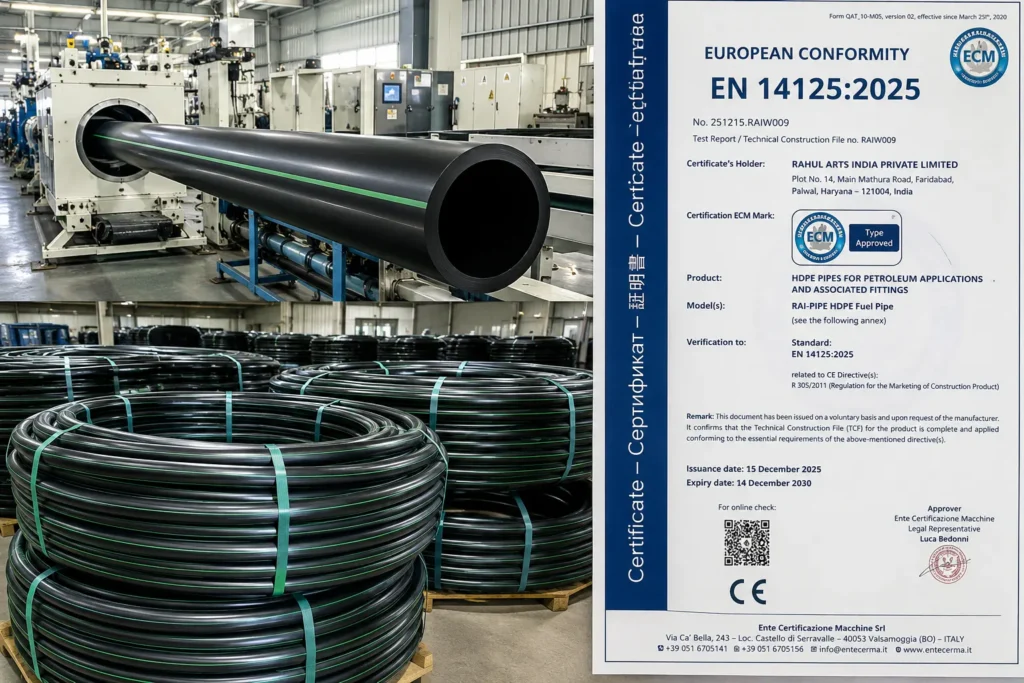
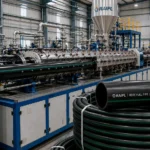
RAIPL (Rahul Arts India Pvt. Ltd.) has developed a specialized multilayer HDPE fuel piping system for underground petroleum applications.
RAIPL’s system has been developed around a complete fuel-piping approach incorporating multilayer HDPE fuel pipes and compatible fittings.
The RAIPL multilayer HDPE fuel piping system has obtained EN 14125:2025 certification, supporting the company’s objective of developing advanced petroleum piping technology within India.
For RAIPL, achieving certification is not simply about adding another certificate to a website.
It represents an important step toward developing a Made-in-India fuel piping ecosystem built around recognized technical requirements.
Frequently Asked Questions
What is EN 14125?
EN 14125 is a European standard covering thermoplastic and flexible metal pipework used for underground installations at petrol filling stations.
What does EN 14125:2025 mean?
The “2025” identifies the edition of the standard. When evaluating technical documentation, the referenced edition should be checked rather than looking only for the words EN 14125.
Is EN 14125 only for HDPE pipes?
No. The standard addresses specified categories of thermoplastic and flexible metal pipework for underground petrol filling station applications.
Does an ordinary HDPE water pipe meet EN 14125?
An ordinary water pipe should not automatically be assumed to meet fuel-piping requirements. The specific product/system and its applicable certification and test documentation need to be evaluated.
Why are fittings important?
The pipe is only one component of the underground network. Couplers, elbows, tees and transition fittings create connections throughout the system, so their compatibility and performance are important.
Does EN 14125 certification mean automatic approval by every petroleum company?
No. Petroleum companies, consultants, authorities and individual projects can have additional technical, regulatory and vendor-registration requirements.
Standards Build Confidence Below the Forecourt
Most customers visiting a petrol pump will never see its underground piping.
But that hidden infrastructure performs an essential job every day.
For this reason, selecting an underground fuel piping system should go beyond price, diameter and material.
Applicable standards, certification, system compatibility, correct installation and technical documentation all matter.
RAIPL’s objective is to combine Made-in-India manufacturing with internationally recognized fuel-piping requirements, helping build the next generation of underground petroleum infrastructure in India.